Toilet Training and Autism: A Gentle, Readiness-Based Guide for Families
Toilet training is a big milestone for any family, and for many children with autism, it simply takes a different path at a different pace. If it has been on your mind for a while, you are in good company.
This guide is gentle on purpose. There are no deadlines here and no tricks. The goal is a calm, predictable routine that respects your child, builds independence one step at a time, and keeps the bathroom from becoming a place of stress for either of you.
Why Can Toilet Training Take a Different Path?
There are lots of reasons, and none of them mean something is wrong with your child or your parenting. Some children do not notice the body signals that say they need to go. Some find the bathroom loud, bright, cold, or echoey. Some are deeply attached to routines, including the routine of diapers. And some are working on communication, which makes it harder to say “I need the bathroom” in time.
Understanding which of these is part of your child’s picture helps you choose what to work on first.
Why Check With Your Pediatrician First?
Before starting, or if things feel stuck, first visit your child’s pediatrician. Physical issues such as constipation can make toileting uncomfortable, and discomfort makes anyone reluctant. Ruling these out first keeps you from working against something that needs medical care.
Your pediatrician, and an occupational therapist if your child has one, can also be great partners on body awareness and sensory needs.
What Are Signs That Your Child May Be Ready?
Readiness is about the child, not the calendar. Some signs that your child may be ready to begin:
- Staying dry for an hour or two at a time
- Showing interest in the bathroom or in what others do there
- Noticing a wet or dirty diaper, or wanting it changed
- Being able to sit comfortably for a minute or two
- Following simple routines with pictures or a few words
Your child does not need every sign, and if they are not ready yet, that is useful information, not a failure. You can work on small building blocks, such as sitting on the toilet fully clothed or washing hands, then come back later.
How Do You Make the Bathroom Feel Safe?
For many children, the bathroom itself is the biggest hurdle. Small changes can make this room far more comfortable for them:
- Soften the sound. Let your child leave before you flush, or wait to flush. Over-ear headphones help with loud flushes and hand dryers.
- Cover auto-flush sensors. A sticky note over the sensor on public toilets prevents surprise flushes.
- Add support. A smaller seat insert and a footstool help children feel steady instead of perched.
- Warm it up. A soft seat cover or a warm room can make sitting more pleasant.
- Dim the lights. If bright light is hard, a softer bulb or a nightlight can help.
- Add something calming. A favorite book, song, or fidget that stays in the bathroom.
Our guide to sensory overload and autism explains why these details matter so much for some children.
How Do Visual Routines and Small Steps Help?
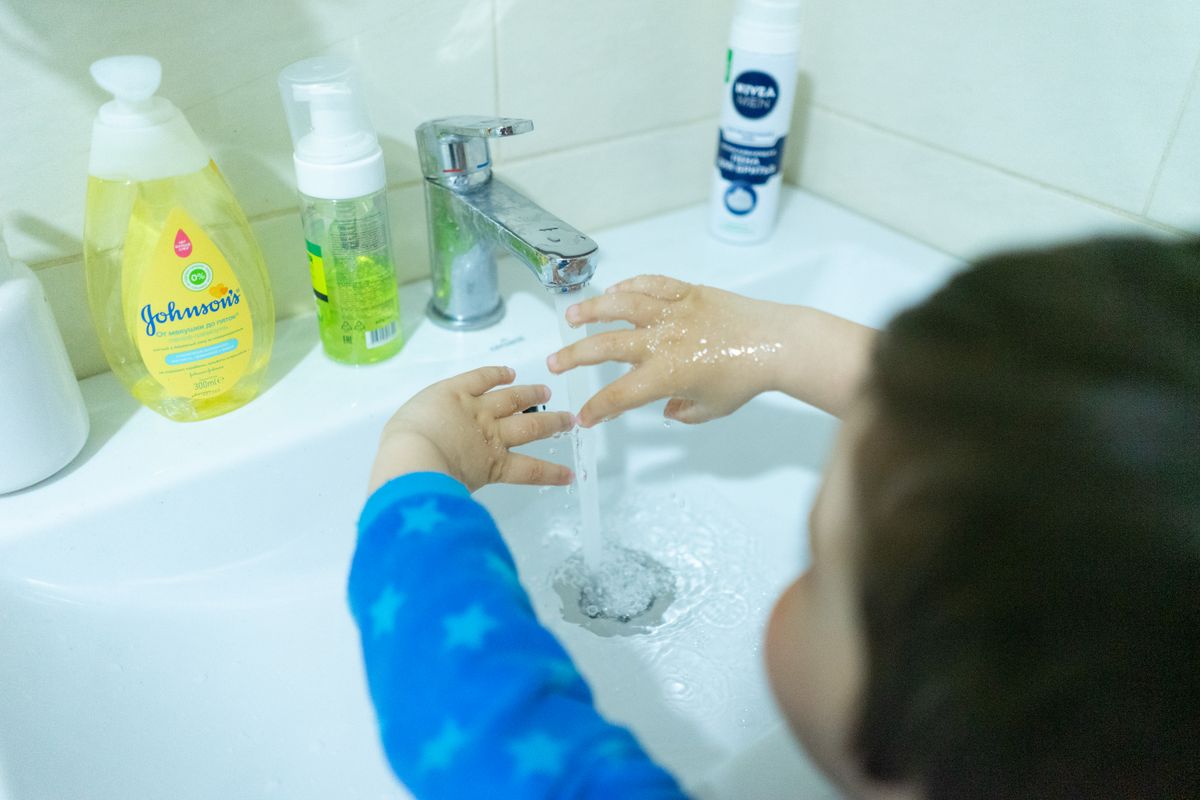
Toileting is actually a long chain of small steps: noticing the need, walking to the bathroom, clothing down, sitting, going, wiping, clothing up, flushing, washing hands. Many children do better when each step is visible and predictable.
- Use a picture sequence. A strip of simple pictures by the toilet shows each step in order.
- Try a short story. A simple story about going to the bathroom, read at a calm time, helps the routine feel familiar.
- Keep sits short and pleasant. A minute or two at predictable times, like after waking or after meals, is plenty. Nothing should feel like a punishment or a test.
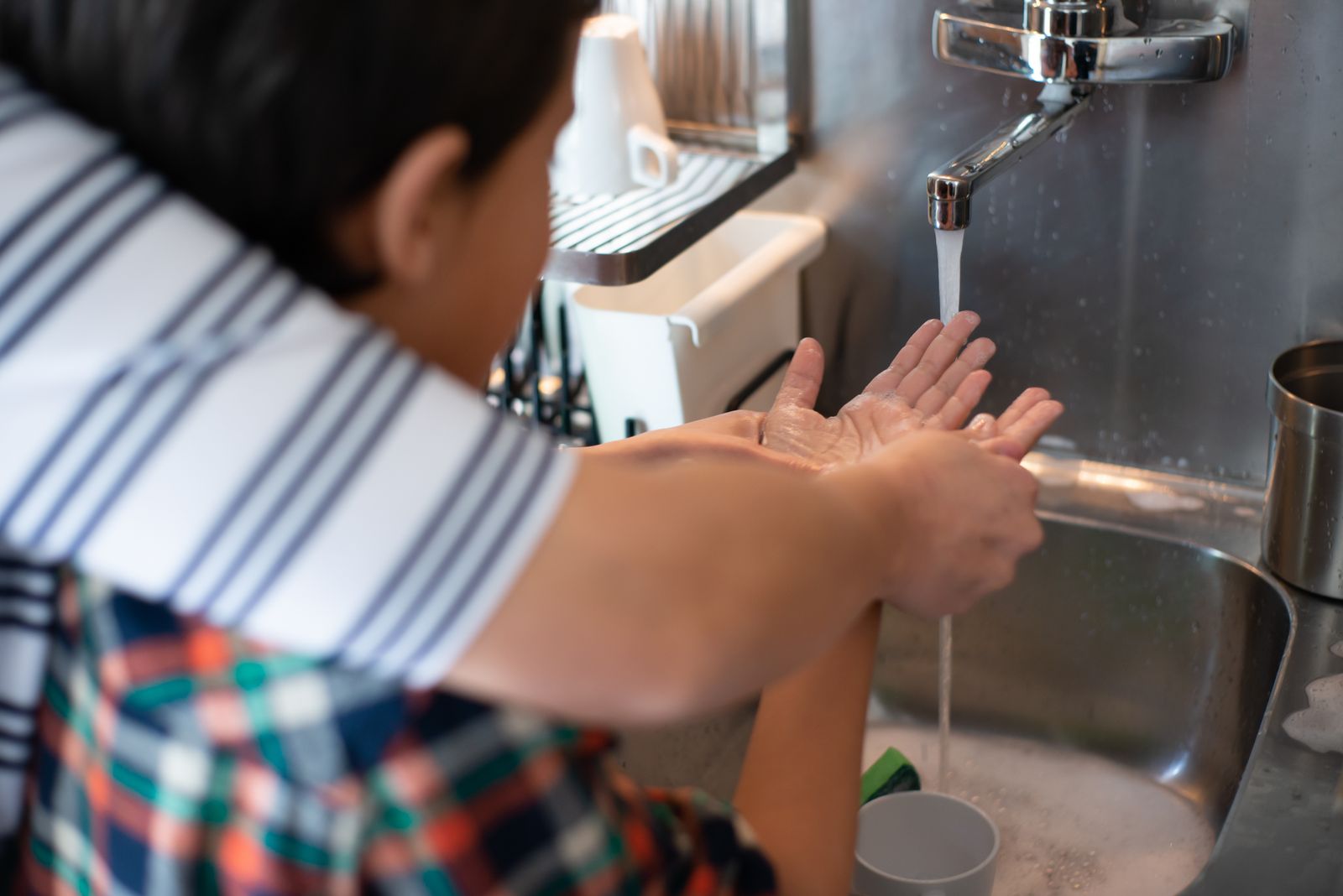
- Teach one step at a time. Many families start with the end of the chain, like washing hands, so your child finishes each visit with something they can do on their own.
- Celebrate gently. Warm praise or a small favorite activity afterward can help. Keep it light, and never take things away when it does not happen.
Above all, follow your child’s lead. If your child is upset, it is fine to stop and try again another day. A calm bathroom matters more than a fast one.
How Should You Handle Accidents and Setbacks?
Accidents are a normal part of learning for every child. The most helpful response is a calm, matter-of-fact one: “Oops, let’s get changed,” and move on. No scolding, no lectures, and no making your child clean up as a consequence.
Setbacks often happen during big changes like a new school, a move, an illness, or the holidays. That is normal, too. Return to what was working, keep the routine predictable, and give it time. Our post on supporting a child with autism at home has more ideas for keeping routines steady.
Nighttime dryness often comes later than daytime, sometimes much later. It is driven largely by the body’s own development, so it is usually best treated as a separate goal.
What About Bathrooms Away From Home?
Public restrooms can be the hardest part. A few things that help:
- Look for family or single-stall restrooms, which are often quieter.
- Bring headphones and sticky notes for auto-flush sensors.
- Keep a small travel seat insert and a change of clothes in the car.
- Practice at familiar places, like a grandparent’s house, before busier ones.
What About Older Children, Teens, and Adults?
It is never too late to work on toileting, and progress at 8, 14, or 25 is just as real as progress at 3. With older children and adults, dignity and privacy matter even more. Use age-respectful language and materials, involve the person in choices as much as possible, and keep the focus on independence rather than on what others expect.
Our page on ABA therapy for teens and adults covers support for older family members.
Where Does ABA Fit?
A BCBA can help you break toileting down into small, achievable steps, build picture routines that match your child, and figure out what is getting in the way, whether that is sensory discomfort, communication, or a strong attachment to the old routine. Good support here is patient and child-led. It moves at your child’s pace, pays attention to signs that your child is uncomfortable, and never relies on pressure, punishment, or rushing.
Because toileting happens throughout the day, much of the work is coaching parents and caregivers. Our post on parent training explains how that partnership works, and in-home ABA therapy allows support to happen in your own bathroom, where it counts the most.
Take It One Step at a Time With Us
If toilet training has felt stuck, or you are not sure where to begin, you do not have to figure it out alone. Our BCBAs can help you find a calm, realistic starting point that fits your child and your family.
While you wait on scheduling, our guides on signs your child may benefit from ABA and how ABA and speech therapy work together are useful reading.