
Sensory-Friendly Holidays: How to Plan Gatherings, Travel, and Gifts Around Your Child’s Needs
The holidays ask a lot of everyone. For a child with autism, they can ask for almost everything at once: new places, new people, new food, new noise, a later bedtime, a different routine every day for two weeks, and a room full of relatives who all want a hug.
None of that means your family has to skip the season. It means the season works better when you plan it around your child’s nervous system instead of hoping their nervous system keeps up. Here is how to do that, one piece at a time.
Why Are the Holidays So Hard for Kids With Autism?
Most of what makes the holidays special is change. The decorations are new. The house is full. The schedule is different. School is out. The food on the table is food your child may not recognize.
For many children with autism, predictability is what makes a day manageable. Take it away, add more sound, light, smell and touch than usual, and the load builds quickly. We covered how that load turns into a meltdown or a shutdown in our post on sensory overload and autism. The holidays are a near-perfect recipe for it.
The pattern families describe most often is not one big moment. It is a child who is fine at the party and falls apart in the car, or great on the first day and done by the third. The load adds up across the day and across the week. So, the goal is not to get through one dinner; it is to keep the total manageable for the entire season.
How Do You Prepare Your Child Before a Holiday Gathering?
Preparation is where most of the work happens, and most of it is unglamorous.
- Preview the day. A simple visual schedule helps: leave home, drive, arrive, say “Hello,” play in the quiet room, eat, open presents, drive home. Pictures work for children who do not read yet.
- Show them the place and the people. Photos of the house, the room they will play in, and the relatives they will see make a strange place less strange.
- Practice the hard parts. Rehearse greetings at home. Decide ahead of time whether a wave or a high-five counts instead of a hug.
- Name the end time. “We’ll leave after presents” is easier to hold onto than “We’ll see.”
- Pack the kit. Headphones, a familiar snack, a comfort item, a tablet or favorite toy, and a change of clothes.
Then tell your host what you need. A short message before the day saves a hard conversation during it: which room your child can retreat to, that they may eat their own food, and that a quiet exit is part of the plan, not a sign something went wrong.
What Helps During the Gathering Itself?
Think of the day as something to pace, not something to push through.
- Arrive early. A house that fills up slowly is easier than walking into a full one.
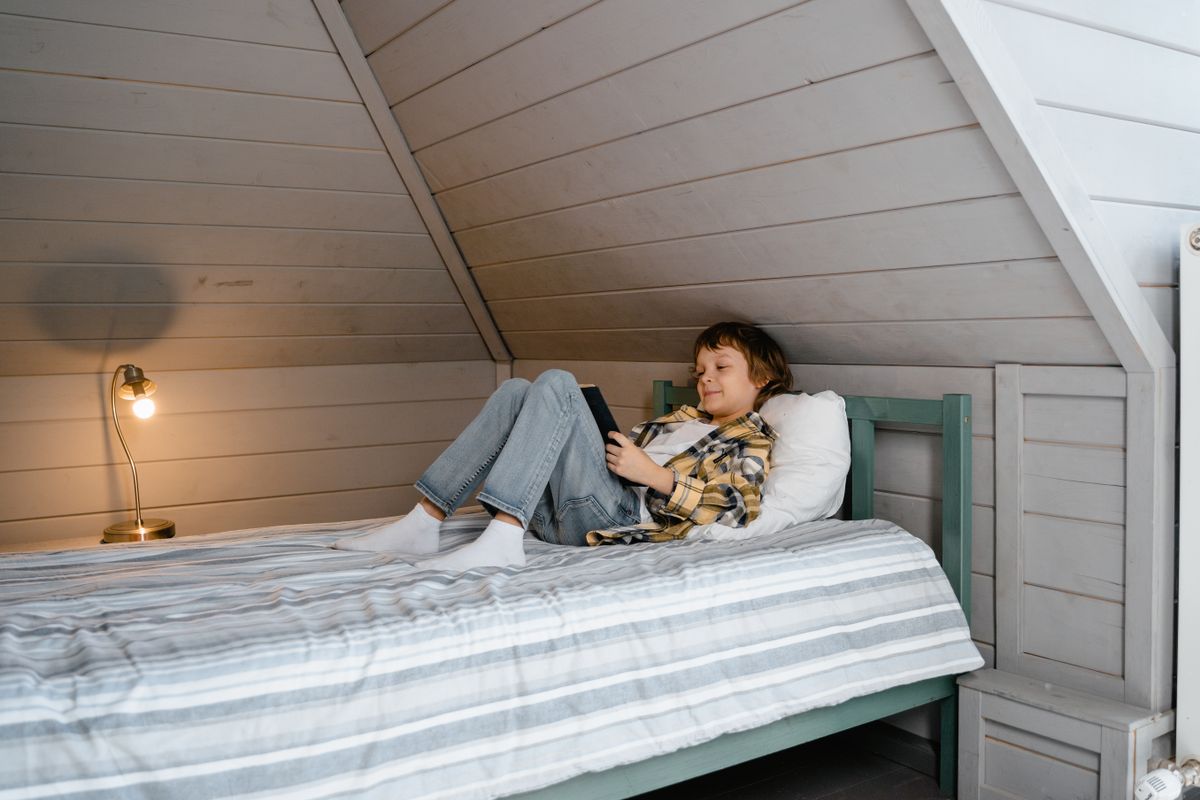
- Set up a quiet space first. A bedroom with the lights low, the door closed, and their kit inside. Show them where it is before anyone else arrives.
- Schedule breaks before they are needed. A walk around the block every hour or ten minutes in the quiet room after each big moment are measures that can prevent a meltdown. Breaks that wait for a meltdown come too late.
- Let food be simple. A plate of safe foods is a complete holiday meal. Trying new dishes is a goal for another day.
- Protect them from the hug line. Many relatives mean well and do not know the plan. Step in early and offer the wave or high-five you practiced.
- Watch for the early signs. Covering ears, increased stimming, going quiet, getting louder, or drifting toward the door are signals to step out, not behaviors to correct.
If a meltdown happens anyway, the response is the same as any other day. Reduce input, use fewer words, keep everyone safe, and let it pass. Our guide to sensory overload walks through those steps in order.
How Do You Handle Gifts and Present-Opening?
Present-opening packs surprise, noise, crowding, and attention into one stretch of time. A few changes help a lot.
- Space it out. Open a few gifts at a time, or spread them across the day or even several days.
- Skip the wrapping if surprises are hard. Clear bags or gifts left unwrapped remove the uncertainty.
- Let them open while alone if they prefer. Being the center of a circle of watching adults is a lot of pressure.
- Practice the thank you. A rehearsed phrase or a sign makes the moment easier. A delayed thank-you note works, too.
- Give relatives ideas. Families often get the most use from gifts that match a child’s real interests and sensory preferences, rather than whatever is loudest on the shelf.
It is also fine if a gift goes straight back in the box. Some kids need time with a new item before they can enjoy it.
What About Holiday Travel?
Travel stacks change on top of change: new routines, new beds, and long stretches with nowhere to go. Planning for it works the same way as planning for a gathering, just over more days.
- Preview the trip. Photos of the airport, the car route, the place you are staying, and the bed they will sleep in.
- Build the schedule around their rhythms. Drive during nap time or travel at the quietest hour you can.
- Bring “home” with you. Their pillow, blanket, night light, and a white noise machine make a strange bedroom more familiar.
- Keep the core routine. If the morning at home is breakfast, then TV, then getting dressed, keep that order even in a hotel or a guest room if possible.
- Plan a recovery day. Leave a quiet day at home after you get back before school or therapy starts again.
How Do You Keep Routines Going Over Winter Break?
Two weeks without school is a big change even if no one goes anywhere. Children who rely on the school day for structure can feel lost without it.
Keep the anchors that hold the day together: wake time, meals, bedtime, and a simple daily schedule posted where everyone can see it. Mark the calendar with what is happening each day, including the boring days. Our post on supporting a child with autism at home has more ideas for structuring time at home.
Count down until the day school starts again so the return is not a surprise. Many of the steps in our back-to-school transition guide work just as well after winter break as they do in August.
If your child receives ABA therapy, talk with their BCBA before the break about which sessions will continue and which skills to keep practicing at home.
What About Siblings and Everyone Else?
A sensory-friendly plan is also a family plan. Siblings may need to know why their brother or sister gets to leave the table early, and they may need some one-on-one time of their own. Grandparents may need the plan explained more than once. That is normal.
And you need breaks too. The parent running the plan is often the one carrying the most load by the end of the week. Trade off with a partner or a trusted relative, and take your own quiet ten minutes. We wrote more about that in our post on caregiver burnout and parent training.
What If You Decide to Do Less?
You are allowed to do less. Some families host instead of travel so their child stays in a familiar home. Some go for an hour instead of the whole day. Some celebrate on a different day when the house is quiet. Some skip the big event and do something small that their child specifically enjoys, like a drive to see lights from the car.
If you want calmer outings during the season, our guides to low-sensory days near Louisville, Boulder, and Denver and near Florence and Cañon City are a good place to start.
A holiday that fits your family is a better holiday than one that looks right from the outside.
Where Does ABA Fit?
The skills that make the holidays easier are skills that can be taught: tolerating changes in routine, waiting, asking for a break, and greeting people in a way that feels comfortable. If the same moments go wrong every year, a functional behavior assessment can show what is driving them, and a BCBA can build a plan that the whole family practices ahead of time.
At OGBC, we work with families at our Louisville clinic, our Florence clinic, and through in-home ABA therapy across Colorado, where the people and places that make the holidays hard are right there to practice with.
Plan the Season With Us
You do not need to have the holidays figured out before you reach out. If gatherings, travel, or winter break keep unraveling the same way, there is usually a pattern underneath, and patterns can be worked with. We will listen to what you are seeing and walk through what support could look like for your family.
While you wait on scheduling, our guides on where to start after an autism diagnosis and choosing clinic-based or in-home ABA are useful reading.